
If you rent out a property in Stevenage or anywhere else in England and Wales, an Energy Performance Certificate isn’t optional, it’s a legal requirement. But beyond compliance, your property’s EPC rating can affect how attractive it is to tenants, how long it sits vacant and even its long-term value.
Here’s what every landlord needs to understand.
What is an EPC?
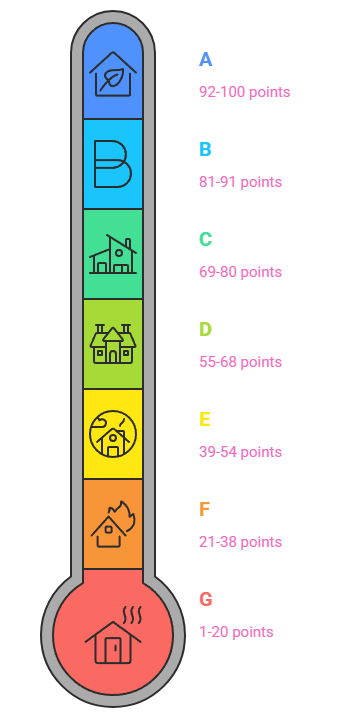
An Energy Performance Certificate assesses how energy-efficient a property is. It rates the building on a scale from A (most efficient) and G (least efficient), taking into account things like insulation, heating systems, double glazing and the type of fuel used.
The certificate is produced by an accredited domestic energy assessor following a physical inspection of the property. Once issued, it’s valid for ten years.
What do the Ratings Mean?
The EPC scale breaks down as follows:
- A - 92-100 points (most efficient)
- B - 81-91 points
- C - 69-80 points
- D - 55-68 points
- E - 39-54 points
- F - 21-38 points
- G - 1-20 points (least efficient)
The average UK home currently sits around a D rating. Most modern builds achieve a B or a C
Why Does it Matter for Landlords?
Legal Compliance
Since April 2020, landlords in England and Wales have been prohibited from letting a property (whether to new or existing tenants) that holds an F or a G rating. The minimum standard is an E. Properties that fall below this threshold cannot legally be rented out unless a valid exemption applies.
The government has signalled its intention to raise this minimum to a C in the coming years, meaning many landlords will need to plan and budget for energy efficiency improvements ahead of time.
Tenant Appeal
Energy bills are a real concern for renters. A property with a C or a B rating is a more attractive prospect than one at a D or an E, especially in a market where tenants are becoming more cost-conscious. A better EPC rating can reduce void periods and, in some cases, support a slightly higher asking rent.
Property Value
Energy efficiency is becoming a growing consideration for buyers too. If you ever decide to sell, a well-rated property will appeal to a broader pool of buyers, including those with green mortgages that offer preferential rates for energy-efficient homes.
How to Improve Your EPC Rating
Common improvements recommended in EPC reports include:
- Upgrading to a more efficient boiler or heat pump
- Adding loft or cavity wall insulation
- Installing double or triple-glazed windows
- Fitting draught-proofing and energy-efficient lighting
Many of these upgrades attract government funding through schemes such as the Boiler Upgrade Scheme, so it’s worth investigating what support is available before committing to any works.
If you own a rental property in Stevenage or the surrounding area and want guidance on letting compliantly, get in touch, our team is here to help.