
If you’re buying or selling a home, you’ll come across three terms again and again: asking price, offer price and sale price. They sound similar but each means something quite different and understanding them can help you approach a purchase or sale with confidence.
1. The Asking Price
The asking price is the sum that a seller (usually with help from their estate agent) sets when their property first goes on the market. It tends to be based on factors like:
- The recent sale prices of similar properties in the area
- The condition, size and features of the home
- What the current market demand is like
- The seller’s own circumstances
You should think of the asking price as the starting point for a negotiation, it isn’t a fixed figure. Some sellers will price competitively to try and attract early interest and multiple offers, while others prefer to allow room to negotiate. It’s worth remembering that the asking price will reflect what a seller hopes to achieve, not necessarily what the property will sell for.
2. The Offer Price
The offer price is the amount that a buyer offers to pay once they’ve decided that they want to buy a property. The can be:
- At asking price - If the buyer thinks the seller’s valuation is fair
- Below the asking price - Often based on the buyer’s own research, a valuation or points that are raised during viewings
- Above asking point - This is common in competitive markets when there are several buyers interested in the same property
An offer isn’t legally binding in England and Wales until contracts are exchanged, which gives both parties flexibility during negotiations. A good estate agent will help present and negotiate offers, ensuring both the buyer and the seller feel that the process is fair.
3. The Sale Price
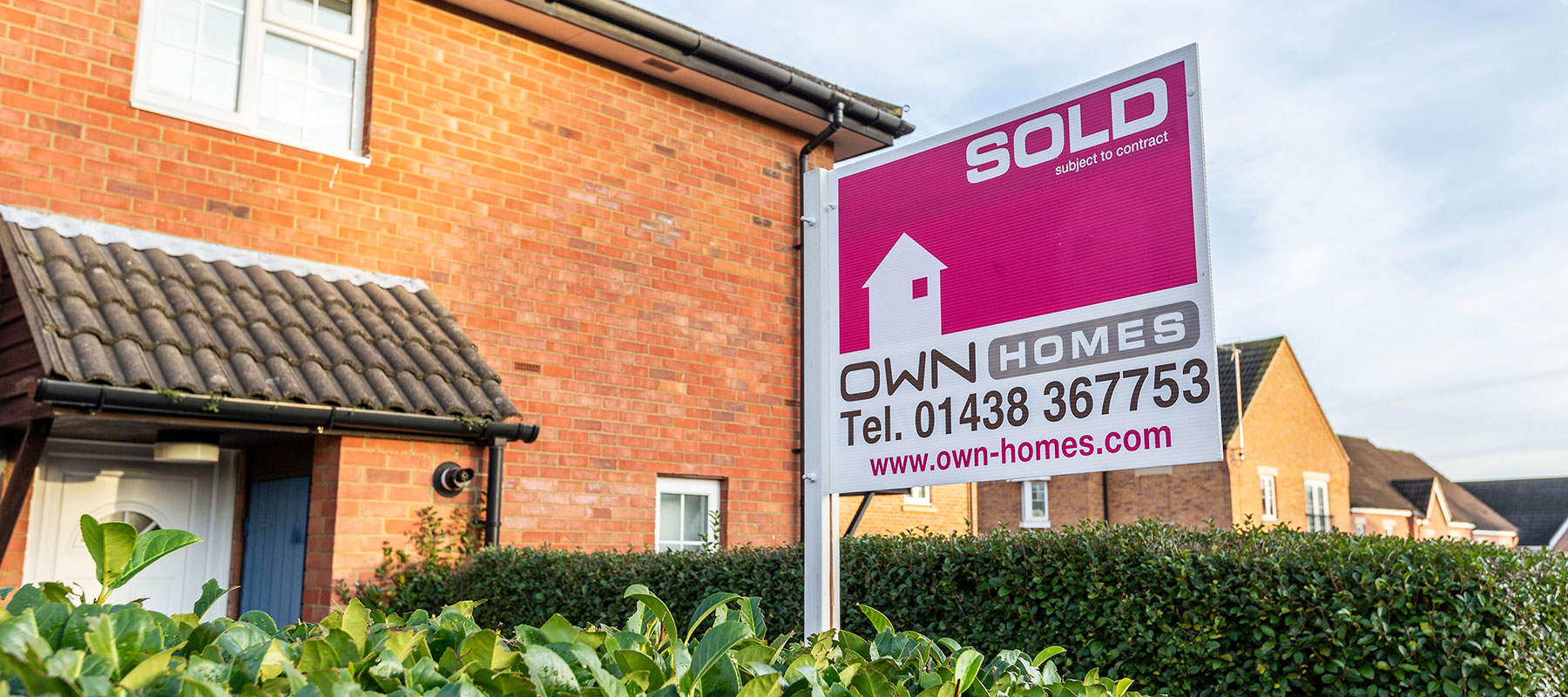
The sale price is the final, agreed upon sum. This is the amount that gets recorded in the contract and is later registered with the Land Registry. It might match the original price, sit below it or even, in some cases, surpass it.
The sale price is the only definitive figure in the entire process. Everything that comes before it are just steps towards reaching the final agreement.

Why the Differentiation is Important to Understand
Understanding these three terms helps you to set realistic expectations, whether you’re buying your first home or selling a family property. Sellers benefit from knowing that their asking price is a guide, not a guarantee, while buyers can approach offers with a clearer sense of strategy and negotiation.
Here at Own Homes, we are here to help our clients in Stevenage and the surrounding areas set realistic asking prices, negotiate offers with confidence and reach a sale price that reflects true market value. If you’re thinking of buying or selling, get in touch, our team is happy to talk you through the process, from start to finish.